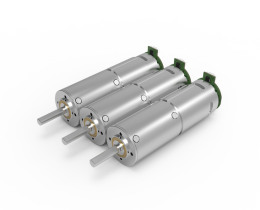


Looking for a suitable motor?

小编
Published2025-10-15
Servo motors are crucial components in various machines, from robotics to industrial automation, enabling precise movement control. This article will delve into the inner workings of servo motors, their applications, and why they are indispensable in today's technology-driven world.
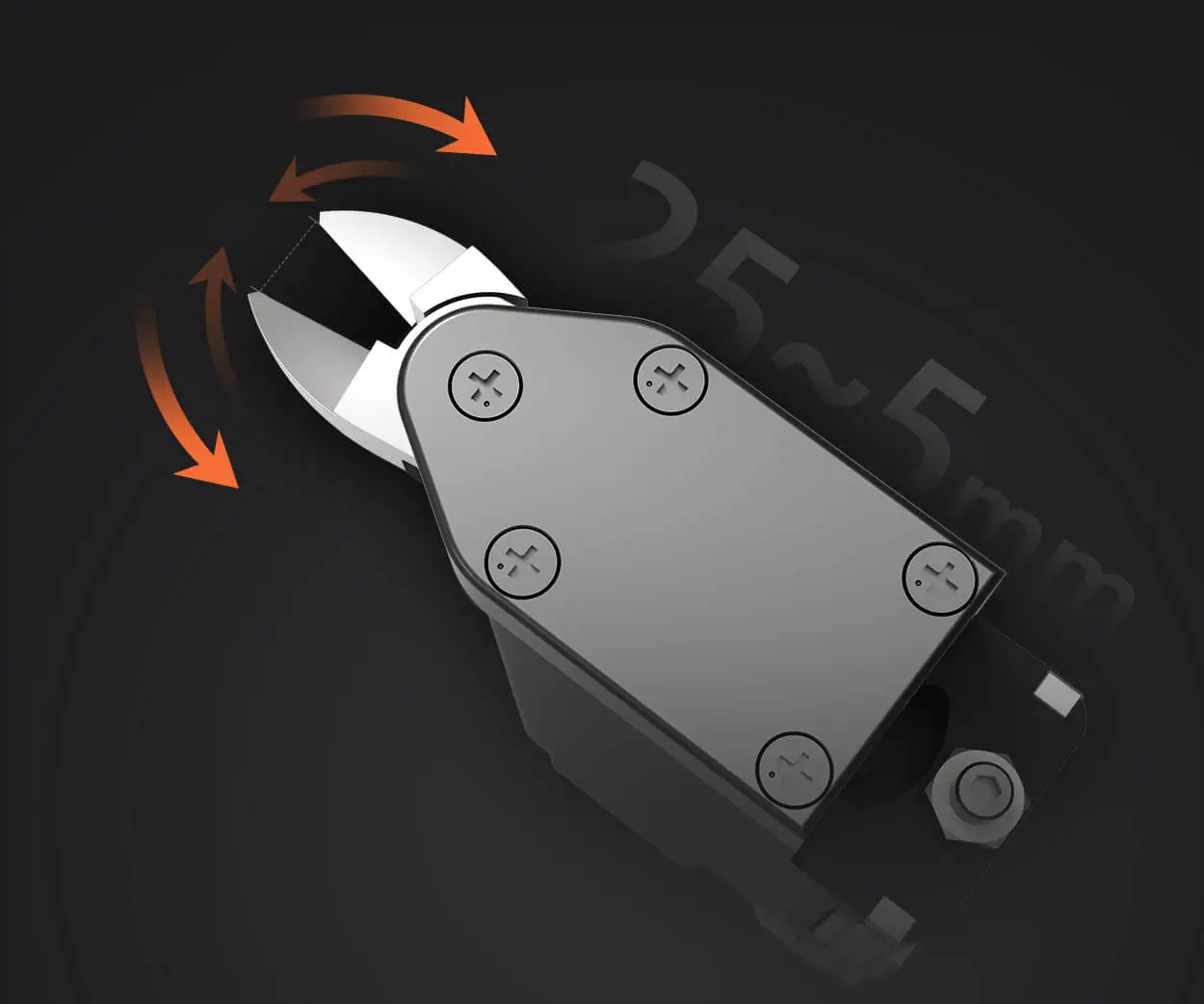
The Fascinating World of Servo Motors
In a world increasingly dominated by automation and robotics, servo motors have become indispensable. They are found in everything from precision manufacturing machines to robotic arms, aircraft control systems, and even your home appliances. Understanding what a servo motor is and how it works will not only give you insight into these high-tech machines but also allow you to appreciate their role in transforming modern engineering.
A servo motor is a specialized type of motor that allows for precise control of angular position, velocity, and acceleration. Unlike standard motors, which typically run continuously, a servo motor is designed to operate in a controlled manner and can rotate to specific angles based on input signals.
The beauty of servo motors lies in their ability to precisely control motion and speed. They are used when exact movements are required, such as in robotics, CNC machines, and even toys like remote-controlled cars. Servo motors are typically paired with a feedback system (e.g., an encoder or potentiometer), which allows the motor to adjust its position in real time, ensuring high accuracy.
How Does a Servo Motor Work?
The operation of a servo motor is based on a closed-loop system, meaning it constantly receives feedback about its position and speed. At its core, a servo motor consists of three key components:
DC Motor: The heart of the servo motor is a direct current (DC) motor, which generates rotational motion. It uses electrical energy to create mechanical motion by spinning a rotor inside a stator.
Feedback Device (Encoder): To ensure the motor reaches and maintains its desired position, a feedback system such as an encoder or potentiometer is integrated into the servo motor. These devices provide continuous feedback to the controller about the motor’s position, speed, and acceleration.
Control Circuit: The control circuit acts as the brain of the servo motor. It processes the signals from the feedback device and adjusts the motor's power to achieve the desired position or movement. Based on the input signal, the control circuit determines how much power is sent to the motor.
When you give a servo motor an input signal (typically a pulse-width modulation or PWM signal), it adjusts its rotation accordingly. The feedback system ensures the motor keeps turning until it reaches the target position, at which point the controller reduces the motor's power to maintain the position.
There are several types of servo motors, each suited to different applications. The most common types are:
AC Servo Motors: These motors operate on alternating current (AC) and are known for their high torque and smooth operation. They are often used in industrial applications, such as robotics and CNC machines.
DC Servo Motors: These motors operate on direct current (DC) and are more commonly used in smaller applications like toys, drones, and small robotic projects. DC servo motors are easier to control and maintain, making them ideal for less demanding tasks.
Permanent Magnet Synchronous Motors (PMSM): These are a type of AC servo motor that uses a permanent magnet rotor and is often used in applications requiring high efficiency and performance.
Stepper Motors: Though technically a separate category, stepper motors are often compared to servo motors due to their ability to rotate in precise increments. Stepper motors are typically used in applications where precise positioning is necessary, but they lack the continuous feedback mechanism that servo motors have.
Advantages of Using Servo Motors
Servo motors are prized for their versatility and precision. Some of the key advantages include:
Precision and Control: The feedback system in servo motors allows them to achieve very precise movements. This is essential in applications like robotics, where each movement needs to be executed with accuracy.
High Efficiency: Servo motors are designed to use only as much power as needed to maintain the desired position, which makes them energy-efficient compared to other motors.
Compact Size: Despite their high performance, servo motors are often compact and lightweight, making them ideal for applications where space is limited.
Fast Response Time: Servo motors can adjust their speed and position quickly, which is important in industries like manufacturing where high-speed operation is critical.
Applications and the Future of Servo Motors
Servo motors have wide-ranging applications across different industries. From manufacturing to consumer electronics, these motors are essential in systems that require precise control of motion. Let’s explore some of the key industries and applications where servo motors are indispensable.
Applications of Servo Motors
Robotics is one of the largest consumers of servo motors. Robots rely on servo motors to perform tasks like picking and placing items, assembling parts, or even delicate operations like surgery in medical robots. Servo motors allow these robots to perform highly specific movements with exceptional accuracy.
Computer Numerical Control (CNC) machines, which are used in manufacturing for tasks like drilling, cutting, and milling, rely heavily on servo motors. The motors in these machines enable precise control over the tool's movement, ensuring the accuracy of the final product.
In the aerospace industry, servo motors are used in flight control systems. They control the movements of aircraft surfaces such as flaps and ailerons, enabling pilots to adjust the aircraft's orientation with precision. Similarly, servo motors are used in satellite systems and other space technologies to adjust antennas and panels.
Servo motors are used in various consumer electronics, such as cameras, DVD players, and even toys. For example, in digital cameras, servo motors are responsible for controlling the zoom lens's position, ensuring smooth operation.
Servo motors are widely used in automated manufacturing lines. Their ability to move machinery with great accuracy means that they are essential in industries like automotive manufacturing, where precision is key to creating high-quality products. These motors are also used in conveyor systems, packaging machines, and more.
In medical devices, servo motors are used for precise control in equipment like MRI machines, robotic surgery tools, and prosthetics. The high level of precision required in the medical field makes servo motors an ideal choice.
The Future of Servo Motors
As industries continue to evolve, so do the demands for servo motors. The increasing need for automation and robotics in industries like healthcare, automotive, and logistics ensures that servo motors will remain integral to future innovations.
Advancements in Artificial Intelligence (AI):
Servo motors are already an essential part of automated systems, and with the rise of AI, these motors are set to become even more advanced. AI technologies can provide real-time feedback to servo motors, enabling them to adjust even more precisely to changes in their environment.
With the growing trend toward smaller and more compact devices, there is a demand for even smaller servo motors. Advances in materials and design will enable the development of micro and nano-sized servo motors for use in medical devices, wearables, and other miniaturized technologies.
As industries strive for greater energy efficiency, servo motors will continue to evolve to meet these needs. Advances in motor design, along with improved control algorithms, will make servo motors even more energy-efficient, reducing their environmental impact.
Integration with IoT (Internet of Things):
Servo motors will increasingly be integrated into the Internet of Things (IoT). This will allow for remote monitoring and control of systems using servo motors, enabling more intelligent systems that can adapt to changes in real time.
Servo motors are more than just small components within machines; they are the unsung heroes of modern engineering, providing the precision and control needed for a wide range of applications. From robotic arms in factories to delicate movements in medical devices, servo motors make the impossible possible. As technology continues to advance, these motors will undoubtedly play an even more central role in the innovations of tomorrow.
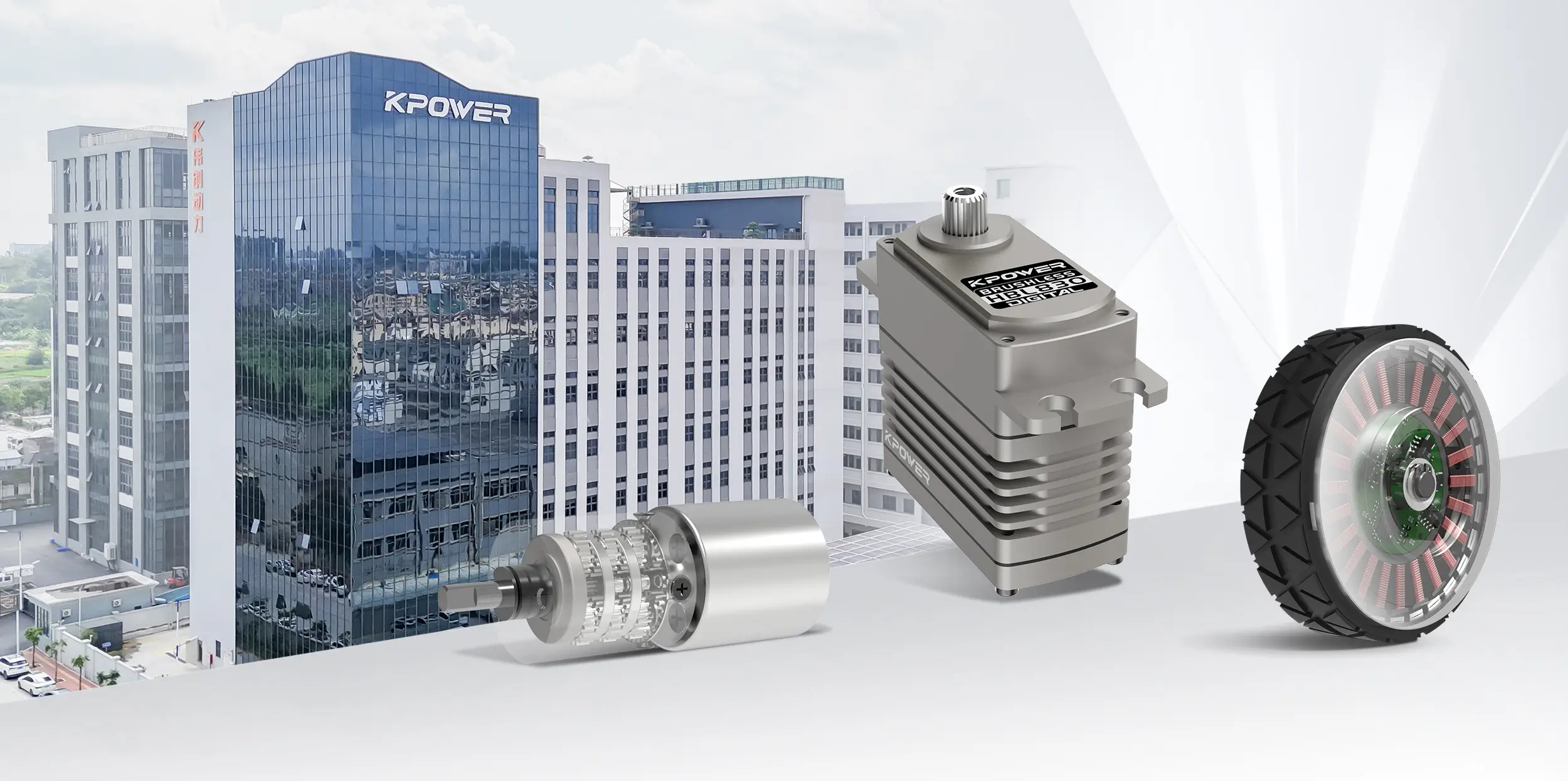
Established in 2005, Kpower has been dedicated to a professional compact motion unit manufacturer, headquartered in Dongguan, Guangdong Province, China.
Update:2025-10-15
Contact Kpower's product specialist to recommend suitable motor or gearbox for your product.