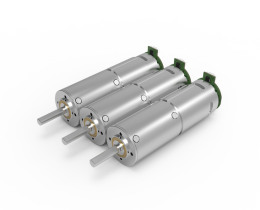


Looking for a suitable motor?


小编
Published2025-10-15
Servo motors are essential components in various machines and systems, from robotics to manufacturing equipment. When a servo motor malfunctions, it can cause significant disruptions. This article will guide you through identifying common issues and provide solutions to get your servo motor back up and running. Learn how to troubleshoot, diagnose, and fix your servo motor efficiently.

servo motor, troubleshooting servo motor, servo motor repair, fixing servo motor, servo motor issues, servo motor maintenance, motor malfunction, servo motor diagnosis
Understanding Common Servo Motor Problems and Diagnosing Faults
Servo motors play a pivotal role in systems requiring precise control of position, speed, and torque. Whether used in robotics, CNC machines, or industrial automation, servo motors are engineered to perform efficiently and reliably. However, like any mechanical or electrical device, they are prone to faults over time due to wear and tear, external factors, or improper handling. Knowing how to fix a servo motor when it malfunctions can save you time and money. Let’s start by understanding some of the common issues.
1. Servo Motor Not Turning or Responding
One of the most common issues you might face is a servo motor that refuses to turn or respond to control signals. This issue can arise due to a variety of reasons, including electrical or mechanical failures. Start by checking the following:
Power Supply: Ensure the power supply to the motor is sufficient and stable. Sometimes, a servo motor can fail to work if there’s a problem with the input voltage. Use a multimeter to confirm the voltage and ensure it aligns with the motor’s required specifications.
Wiring Issues: Inspect the wires connecting the motor to the power source and controller. Loose, damaged, or disconnected wires can prevent the motor from receiving the correct signals.
Controller Settings: Sometimes, the issue may not be with the motor but with the controller settings. Double-check that the controller is properly configured and that the PWM (Pulse Width Modulation) signals are within the correct range.
2. Excessive Heat or Overheating
Servo motors, like any electrical component, can overheat under certain conditions, such as high load, poor ventilation, or long periods of operation. Overheating is usually a sign that the motor is under stress and not operating optimally. To troubleshoot overheating, consider these factors:
Motor Load: Verify that the motor is not under excessive load. If your servo motor is working in a system with high friction or where it's been overloaded, it can overheat quickly. Reducing the load on the motor may help alleviate this issue.
Cooling System: Ensure that the motor's cooling system (if it has one) is working correctly. Some servo motors come with built-in fans or external heat sinks to dissipate heat. Check if these components are obstructed or faulty.
Ambient Temperature: Check the environment where the motor operates. Extreme temperatures, either too hot or too cold, can cause a motor to overheat or malfunction. Try to place the motor in a temperature-controlled environment.
3. Servo Motor Making Strange Noises
If you hear unusual sounds from your servo motor, such as grinding, whining, or clicking, it’s a clear indication that something isn’t right. Common causes for noisy servo motors include:
Mechanical Wear: Over time, the bearings or gears inside the motor may wear out, leading to friction and noise. If the motor has been running for an extended period, it might require lubrication or even bearing replacement.
Misalignment: The motor's shaft may be misaligned with the load it’s driving. This could be due to poor installation or wear on the components that connect the motor to the load. Realigning the motor shaft and checking for any loose or worn components should resolve the issue.
Electrical Noise: In some cases, the noise might not be mechanical but electrical. Servo motors rely on precise electrical signals, and interference from external devices can cause issues. Check for electrical interference in the system and ensure all cables and connections are properly shielded.
4. Erratic Movement or Inaccurate Positioning
Servo motors are designed to maintain precise positions, but if they start to exhibit erratic movement or fail to hold their position, it could indicate several potential issues:
Feedback Loop Issues: Servo motors rely on feedback from encoders or resolvers to ensure accurate positioning. If the feedback system is malfunctioning, the motor might not know its exact position. Check the encoder connections and ensure that there are no faulty cables or loose connections.
Control Loop Problems: The motor’s controller could be malfunctioning, causing incorrect commands to be sent to the motor. Ensure that the controller is functioning properly and that the programming or configuration is correct.
Mechanical Obstructions: Sometimes, erratic movement could be due to mechanical obstructions or damaged components. Ensure that the motor and its components are free of debris and that everything is well-lubricated.
5. Servo Motor Jittering or Shaking
Servo jittering or shaking occurs when the motor experiences small, rapid oscillations, often causing it to vibrate uncontrollably. This is typically caused by:
Tuning Issues: Servo motors are typically equipped with controllers that need to be properly tuned for optimal performance. If the system’s gain settings are too high, the motor might oscillate. Adjusting the PID (Proportional-Integral-Derivative) parameters on the controller can help smooth the motion.
Power Supply Instability: A fluctuating power supply can also lead to jittering. Use a stable and regulated power source to ensure the motor gets a consistent flow of current.
Encoder or Sensor Malfunctions: If the encoder or sensor system is faulty, it might misread the motor’s position, leading to erratic behavior. Inspect the encoder and ensure it is clean and properly connected.
Step-by-Step Guide to Fixing Your Servo Motor
Once you've diagnosed the problem with your servo motor, it’s time to take action. Here’s a step-by-step guide to fixing your servo motor:
1. Disassemble the Servo Motor
Before you can repair a servo motor, you’ll need to disassemble it carefully. Follow these steps:
Power Down: Disconnect the power supply to ensure there’s no electrical hazard.
Remove the Motor Housing: Use the appropriate tools to open the motor casing. Be gentle, as servo motors often contain delicate components like sensors and gears.
Document the Process: Take notes or pictures as you disassemble the motor. This will help you reassemble it correctly once repairs are made.
2. Inspect Internal Components
Once the motor is disassembled, inspect the internal components for wear, damage, or dirt. Focus on these parts:
Gears and Bearings: Check for worn-out or damaged gears and bearings. If you find any issues, replace these parts as necessary.
Brushes (for Brushed Motors): If you have a brushed servo motor, check the condition of the brushes. Worn brushes can cause erratic movement or failure.
Encoders and Sensors: Make sure that the encoder or sensor system is functioning correctly. Clean any dirt or debris that may be obstructing the sensors.
3. Test and Replace Faulty Parts
If you find damaged parts, it's essential to replace them. You can source replacement parts from the manufacturer or trusted suppliers. When replacing components like bearings or gears, make sure the new parts match the specifications of the original ones.
Bearings: Replacing bearings may require special tools to remove the old ones. Take care not to damage the motor housing.
Gears: If the gears are worn, ensure that the replacement gears mesh correctly with the rest of the system.
Brushes: For brushed motors, replacing worn brushes should resolve issues with movement.
4. Lubricate Moving Parts
Once you’ve inspected and replaced faulty parts, it’s time to lubricate the moving components. Lubrication is vital for reducing friction, ensuring smooth operation, and extending the lifespan of the motor.
Grease or Oil: Use appropriate motor grease or oil, as specified by the manufacturer. Be sure not to over-lubricate, as excess grease can cause debris buildup.
5. Reassemble the Servo Motor
After completing the repairs, it’s time to reassemble the motor. Follow the disassembly steps in reverse order, ensuring that all parts are correctly aligned and securely fastened.
Recheck Connections: Ensure that all wires and connectors are reattached correctly. A loose connection can lead to further problems.
Test the Motor Before Full Assembly: Once the motor is partially reassembled, test its movement to ensure that it functions properly before closing the casing completely.
6. Recalibrate the Motor and Controller
Once the motor is reassembled and connected, recalibrate the motor and controller system to ensure optimal performance. Adjust the PID settings and ensure that the feedback system is accurate.
Finally, conduct a full test run of the system in which the servo motor operates. Check for smooth movement, accurate positioning, and consistent performance. If any issues persist, repeat the troubleshooting process or consider consulting a professional technician.
By following these steps, you can diagnose and fix most common servo motor issues, extending the life of your equipment and ensuring optimal performance. Proper maintenance and care of servo motors are crucial for avoiding unexpected downtime and costly repairs.
Kpower has delivered professional drive system solutions to over 500 enterprise clients globally with products covering various fields such as Smart Home Systems, Automatic Electronics, Robotics, Precision Agriculture, Drones, and Industrial Automation.
Update:2025-10-15
Contact Kpower's product specialist to recommend suitable motor or gearbox for your product.