

Looking for a suitable motor?

小编
Published2025-10-15
The Heartbeat of Modern Automation: An Introduction to Servo Motors and Drives
In today's fast-paced industrial landscape, efficiency and precision are no longer luxuries but necessities. As factories become smarter and machinery more sophisticated, the demand for reliable, high-performance motion systems skyrockets. Among the most pivotal innovations steering this evolution are servo motors and drives—quintessential components that bring intelligence, agility, and accuracy to a myriad of applications from robotics to aerospace.
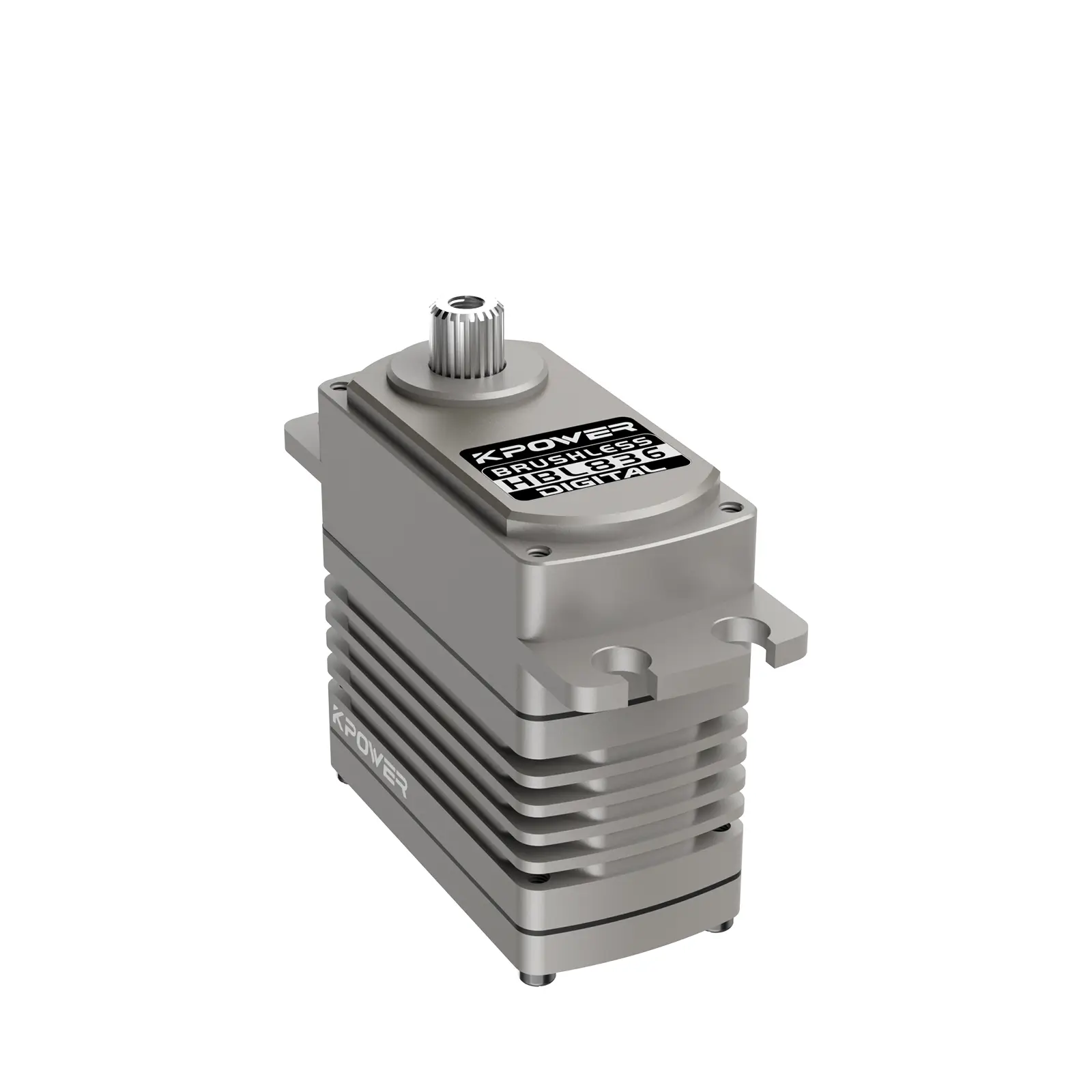
What Are Servo Motors and Drives?
At their core, servo motors are specialized electric motors designed for precise control of angular or linear position, velocity, and acceleration. Unlike regular motors that simply convert electrical energy into rotational motion, servo motors incorporate feedback systems that continually monitor their position and adjust operation accordingly. This closed-loop control mechanism enables sub-millimeter accuracy, making them ideal for tasks requiring meticulous positioning.
Servo drives, on the other hand, are sophisticated electronic devices that act as the brain behind the servo motor. They interpret control signals—often from a PLC or a motion controller—and modulate the power supplied to the motor accordingly. This dynamic interaction ensures that the servo motor operates precisely within desired parameters, whether it's moving a robotic arm to a specific coordinate or controlling the speed of a conveyor belt.
The Symbiotic Relationship
The harmony between servo motors and drives forms the backbone of modern precision motion systems. While the motor provides the mechanical movement, the drive modulates its power and feedback signals, ensuring that every inch of motion is controlled and repeatable. This synergy reduces errors, enhances efficiency, and extends machinery lifespan.
Evolution and Technologies
The journey of servo technology dates back to early electromechanical systems, but rapid advancements in electronics, materials science, and control algorithms have pushed the boundaries of what's possible. Modern servo motors are often compact yet powerful, integrating features such as:
Brushless designs: Offering higher efficiency, lower maintenance, and longer life. Integrated encoders: Providing real-time position feedback with incredibly high resolution. High-torque density: Delivering significant force in minimal space, ideal for compact machinery.
On the drive side, innovations include:
Digital control algorithms: Allowing seamless tuning and behavior optimization. Network connectivity: Facilitating integration into Industry 4.0 frameworks via Ethernet/IP, EtherCAT, and other protocols. Vector control and field-oriented control (FOC): Enabling precise torque and speed regulation even under dynamic load conditions.
Servo motors and drives are not just about movement—they’re about movement with intelligence. They bring a level of finesse that traditional motors cannot match. In robotics, for example, where multi-axis coordination and delicate handling are crucial, servo systems deliver the finesse needed to manipulate tiny components or perform complex assembly tasks.
In manufacturing, they allow for rapid changeovers, high repeatability, and minimal downtime, which translate into cost savings and higher productivity. In aerospace and medical devices, where accuracy isn’t just desired but mandated, servo systems sit at the core of cutting-edge technology.
Applications Across Industries
You’ll find servo motors and drives working diligently across a vast range of industries:
Robotics: Enabling robotic arms to perform intricate tasks with high repeatability. Automotive manufacturing: Powering assembly lines, welding robots, and intelligent testing stations. Electronics: Fine-tuning equipment for PCB assembly, semiconductor fabrication, and more. Textile machinery: Managing complex loom operations with impeccable precision. Aerospace: Guiding control surfaces and testing equipment to exact tolerances.
As industries pursue smarter, faster, and more efficient processes, the role of servo technology becomes ever more vital—a silent engine powering tomorrow’s innovations.
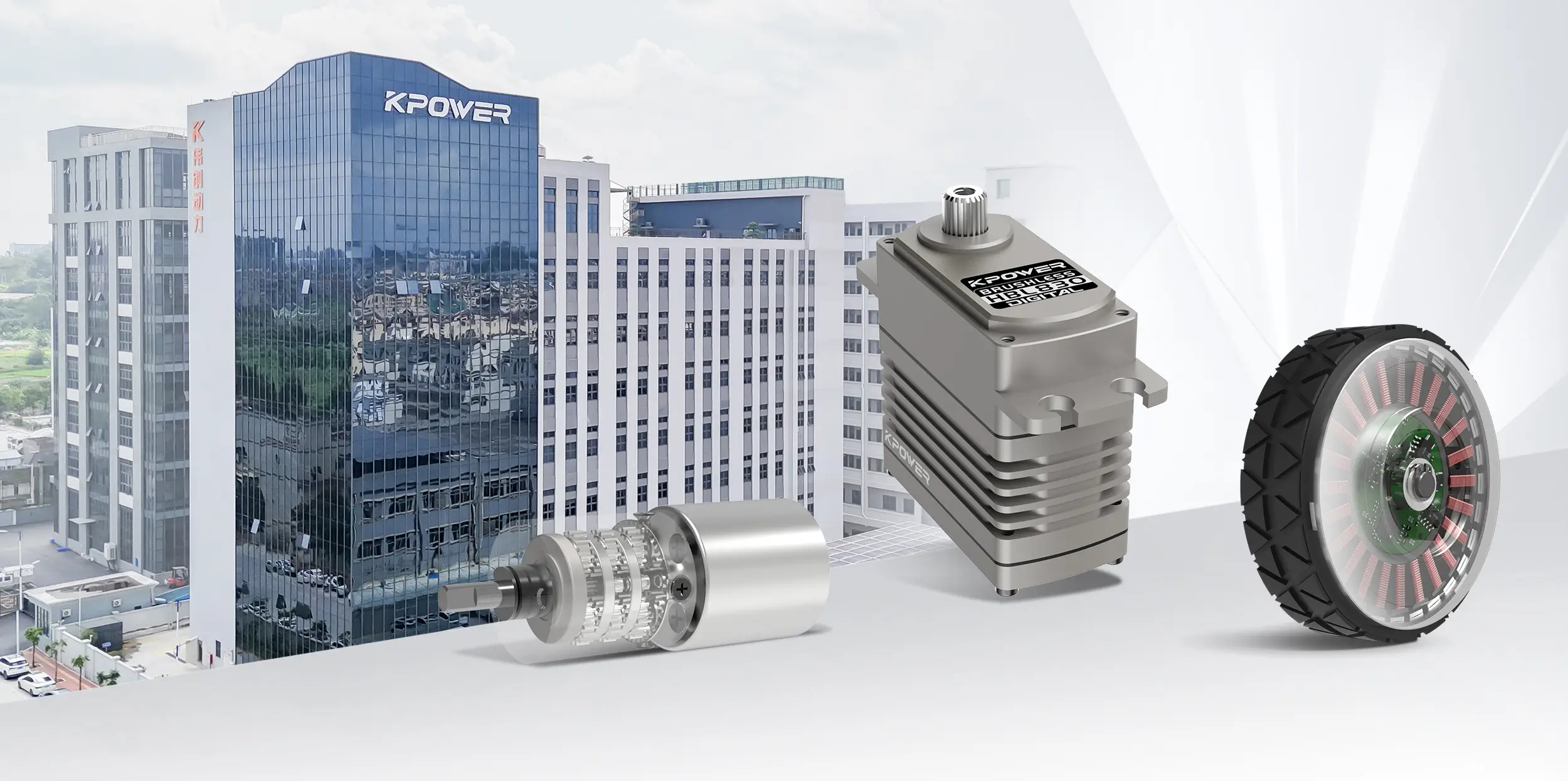
Leveraging innovations in modular drive technology, Kpower integrates high-performance motors, precision reducers, and multi-protocol control systems to provide efficient and customized smart drive system solutions.
Update:2025-10-15
Contact Kpower's product specialist to recommend suitable motor or gearbox for your product.