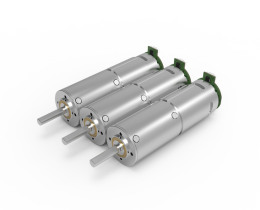


Looking for a suitable motor?


小编
Published2025-10-15
Discover how CNC servo motors play a pivotal role in the precision of modern manufacturing. Learn about the factors influencing CNC servo motors prices and why investing in high-quality motors is crucial for industrial success. This comprehensive guide breaks down the key elements that impact pricing, helping manufacturers make informed decisions for their production needs.
CNC servo motors, price of CNC servo motors, CNC machinery, servo motors for CNC, CNC motor pricing factors, industrial motors, manufacturing efficiency, CNC motor cost analysis, servo technology in manufacturing
Understanding CNC Servo Motors and Their Role in Manufacturing
CNC (Computer Numerical Control) machines are the backbone of modern manufacturing, enabling industries to achieve precise, automated production with minimal human intervention. At the heart of these advanced machines are CNC servo motors, which provide the power and accuracy needed to drive the cutting, drilling, and other mechanical actions required for high-quality output. But like any piece of industrial equipment, the cost of CNC servo motors can vary significantly depending on several factors. Understanding these factors is essential for anyone looking to invest in CNC machinery or upgrade their existing systems.
What Are CNC Servo Motors?
A CNC servo motor is a type of electric motor used to precisely control the position, speed, and torque within CNC machines. These motors are designed to provide high efficiency, rapid response times, and the precise control required for intricate tasks. Unlike standard motors, servo motors have feedback mechanisms that ensure they perform with unparalleled accuracy, adjusting to real-time conditions.
CNC servo motors consist of several critical components:
Motor Stator: This is the stationary part of the motor that generates the magnetic field.
Rotor: The rotating component of the motor that interacts with the stator.
Encoder: An essential feedback device that monitors the position and speed of the motor shaft.
Drive: The electronic system responsible for interpreting signals and controlling the motor’s performance.
Due to their precision, CNC servo motors are widely used in applications like CNC milling, turning, grinding, and other automated manufacturing processes. The motors ensure that machines can make highly accurate movements, which is crucial in industries like aerospace, automotive, electronics, and medical device manufacturing.
Factors Influencing CNC Servo Motors Prices
Several key factors determine the price of CNC servo motors, making them an investment worth considering carefully. Understanding these variables will help you assess the value you’re getting for your money and choose the right motor for your specific needs.
Motor Specifications and Type: The price of a CNC servo motor is significantly influenced by its size, power rating, and the level of precision required. Larger, high-power motors designed for heavy-duty industrial applications will naturally cost more than smaller, low-power models. Additionally, some motors come with specialized features, such as increased torque capabilities or enhanced speed control, which can further impact pricing.
Brand Reputation and Quality: Like most industrial machinery, the reputation of the brand plays a critical role in the price of CNC servo motors. Well-established manufacturers that produce motors known for their durability, precision, and long lifespan often charge a premium for their products. While these motors may come with a higher upfront cost, they often prove to be more cost-effective in the long term due to reduced maintenance and downtime.
Technology and Features: Advanced features such as digital feedback systems, integrated cooling mechanisms, and high-efficiency windings contribute to higher prices for CNC servo motors. Motors that incorporate cutting-edge technologies, like reduced energy consumption or enhanced communication protocols, are typically more expensive, but they may offer greater performance and longer operational life, thus justifying their cost.
Customization and Specialization: Many manufacturers offer customizable CNC servo motors tailored to specific applications. For example, motors designed to operate in harsh environments or with highly specialized machinery may be priced higher than standard models. These motors are built to meet very specific needs and therefore come with added value, such as enhanced durability or the ability to function under extreme conditions.
Country of Manufacture: The location where the CNC servo motor is manufactured can also affect its price. Motors made in countries with higher labor costs or stricter quality standards (such as Japan, Germany, or the United States) may be priced higher than those manufactured in regions with lower production costs. However, higher-priced motors are often associated with superior quality and more reliable performance.
Support and Warranty: The level of support and warranty provided by the manufacturer can influence the price of a CNC servo motor. Motors that come with comprehensive service packages, including extended warranties and maintenance services, will typically be priced higher. However, this added value can save significant costs over the life of the motor, especially when dealing with potential repairs and replacements.
How CNC Servo Motor Prices Impact Manufacturing Efficiency
While the price of CNC servo motors may seem daunting at first, it’s essential to consider how the right motor can enhance your manufacturing efficiency. Investing in high-quality motors can lead to greater precision, reduced downtime, and better overall performance, which ultimately translates to improved productivity and profitability.
Higher-priced CNC servo motors often come with features that allow for faster and more accurate positioning, which can reduce cycle times and increase throughput. Additionally, they tend to be more energy-efficient, lowering your operational costs over time. When evaluating a CNC servo motor’s price, it’s important to weigh the potential benefits in terms of long-term efficiency and reliability against the initial cost.
How to Choose the Right CNC Servo Motor Based on Price
When deciding on a CNC servo motor for your equipment, it's crucial to balance the price with the performance and capabilities required for your specific application. While cost is a significant factor, it’s important to consider how the motor will impact the overall performance of your CNC machine and whether the features justify the price.
Evaluating Your Requirements
The first step in selecting the right CNC servo motor is understanding your specific requirements. Consider the following questions:
What type of CNC machine are you operating? Different machines have varying needs in terms of power, speed, and torque.
What is the nature of your workload? Are you performing high-precision tasks, or is your focus more on general manufacturing? High-precision tasks often require more expensive motors with advanced feedback and control systems.
What are your power needs? CNC motors come in a range of power ratings, so it’s crucial to select a motor that can handle your application without overburdening the system.
Choosing Between Standard and High-End Motors
Once you understand your needs, you’ll need to decide between standard motors and more advanced, high-end motors. Standard motors tend to be less expensive but may not offer the same level of precision or durability as their more expensive counterparts. If you’re working with smaller machines or simple tasks, a standard motor may suffice.
On the other hand, if you’re working with larger machines or complex, high-speed operations, investing in a higher-end motor with advanced features such as higher torque output, increased reliability, and energy efficiency may be a better option. While these motors come with a higher initial price tag, their long-term benefits could offset the investment.
Balancing Upfront Costs with Long-Term Benefits
It's easy to get caught up in the initial price tag of a CNC servo motor, but it's equally important to consider long-term costs and benefits. While cheaper motors may offer lower upfront costs, they could lead to higher maintenance, downtime, and replacement costs over time. Higher-quality motors, although more expensive initially, often come with longer lifespans and fewer operational issues, saving you money in the long run.
One strategy is to look for motors with extended warranties and service contracts. These can help mitigate the costs of unexpected repairs and replacements, providing peace of mind and improving the overall cost-effectiveness of your investment.
Conclusion: Investing in the Right CNC Servo Motor
The price of CNC servo motors may vary, but understanding the factors that influence these costs can help you make an informed decision. Whether you're upgrading your existing equipment or starting from scratch, selecting the right motor is critical to achieving optimal manufacturing performance. By balancing price, quality, and long-term efficiency, you can ensure that your investment pays off in both productivity and profitability.
Ultimately, the right CNC servo motor will deliver the precision, reliability, and performance needed to elevate your manufacturing process, making it a worthwhile investment for any industrial operation.
Leveraging innovations in modular drive technology, Kpower integrates high-performance motors, precision reducers, and multi-protocol control systems to provide efficient and customized smart drive system solutions.
Update:2025-10-15
Contact Kpower's product specialist to recommend suitable motor or gearbox for your product.