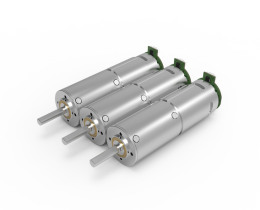


Looking for a suitable motor?

小编
Published2025-10-15
Sure! Below is the first part of your requested article:
Selecting the right Mitsubishi servo motor is crucial for optimizing performance, efficiency, and reliability in your automated systems. This guide takes you through the essential steps to choose the ideal servo motor for your unique industrial or commercial application, ensuring precision control, minimal downtime, and energy savings.

Understanding the Basics of Mitsubishi Servo Motors and Their Selection Process
In the rapidly evolving world of industrial automation, precision, efficiency, and reliability are essential for maintaining competitive advantage. Mitsubishi, a global leader in advanced automation technologies, offers a wide range of servo motors designed to meet the most demanding performance standards. These servo motors are a key component in various automation applications, from robotics and CNC machines to packaging systems and material handling.
When it comes to selecting the ideal Mitsubishi servo motor, several factors need to be considered. It’s not just about picking a motor that fits your system; it’s about selecting one that optimizes performance, ensures energy efficiency, and minimizes downtime. Below, we’ll break down the primary considerations and steps for making an informed choice in Mitsubishi servo motor selection.
1. Motor Type and Configuration
Mitsubishi offers a variety of servo motors, each tailored to different applications. The first step in selecting the right motor is to understand which type and configuration of servo motor will best suit your system. Generally, Mitsubishi’s servo motors fall into two categories:
AC Servo Motors: These motors are the most commonly used in industrial applications due to their high power density, smooth performance, and exceptional control capabilities. AC motors are ideal for applications requiring precise motion control and high-speed operation.
DC Servo Motors: Although less common, DC servo motors are often used in applications requiring precise torque control and low-speed operations. However, AC motors have largely overtaken DC motors due to the advantages they offer in terms of size, efficiency, and ease of control.
Within these categories, Mitsubishi also offers different sizes, output capacities, and features. Depending on your system's requirements (such as the load size, speed, and accuracy), you may choose a compact or high-torque motor.
2. Power Requirements and Motor Sizing
Proper sizing of your servo motor is critical for ensuring the system’s performance. An undersized motor can lead to insufficient torque, while an oversized motor can result in inefficiency, higher operational costs, and potential system instability.
Mitsubishi’s servo motors are designed to offer precise and adaptable power output, making it important to carefully assess the power demands of your application. Key factors influencing the power requirements include:
Load Torque: The load torque refers to the force required to move or rotate the load. In many applications, this can vary based on factors like weight, friction, and the acceleration/deceleration profile.
Speed Requirements: Depending on whether the application requires high-speed or low-speed operation, the motor must be selected to deliver the necessary revolutions per minute (RPM).
Duty Cycle: The duty cycle refers to the motor’s operating time versus rest time. It’s important to choose a motor that can handle the expected operational load and frequency of use without overheating or experiencing premature wear.
By understanding your system's specific torque, speed, and duty cycle requirements, you can determine the right motor size and ensure that your Mitsubishi servo motor delivers optimal performance.
3. Control Performance and Features
Mitsubishi servo motors are renowned for their precise control capabilities, which is a fundamental reason they’re so widely used in automation. These motors are equipped with built-in features that make them highly adaptable to a range of motion control applications.
Consider the following factors when assessing control performance:
Feedback Systems: Mitsubishi servo motors typically use high-resolution encoders and resolvers that provide accurate position and speed feedback to the controller. This is critical for applications that require high precision, such as robotics and CNC machines.
Servo Amplifiers: The servo amplifier controls the power to the motor, ensuring smooth motion and feedback integration. Mitsubishi's advanced servo amplifiers help regulate motor operation and reduce energy consumption.
Advanced Control Algorithms: Mitsubishi servo systems integrate advanced motion control algorithms, including adaptive control, which enables motors to adjust to load changes and disturbances, ensuring smoother operation.
These features help ensure that your motor maintains high performance under varying loads and conditions, minimizing mechanical stress and preventing failure.
4. Environmental Conditions and Motor Protection
In industrial environments, conditions like temperature, humidity, dust, and exposure to chemicals can impact the performance and longevity of a servo motor. When selecting a Mitsubishi servo motor, it’s important to ensure that it is designed to withstand these environmental factors.
Mitsubishi offers motors with various degrees of protection:
IP Ratings: The IP (Ingress Protection) rating indicates the level of protection against dust and water. For instance, an IP67-rated motor is fully protected against dust and can withstand submersion in water for short periods.
Heat Resistance: Some Mitsubishi servo motors are built with heat-resistant components, allowing them to operate effectively in high-temperature environments.
Corrosion Resistance: For applications in harsh environments where chemicals or corrosive substances are present, Mitsubishi offers motors with protective coatings or rust-resistant components to prevent degradation.
By understanding the specific environmental challenges your motor will face, you can choose a model with the right protection features.
Advanced Considerations and Tips for Selecting the Right Mitsubishi Servo Motor
Kpower has delivered professional drive system solutions to over 500 enterprise clients globally with products covering various fields such as Smart Home Systems, Automatic Electronics, Robotics, Precision Agriculture, Drones, and Industrial Automation.
Update:2025-10-15
Contact Kpower's product specialist to recommend suitable motor or gearbox for your product.