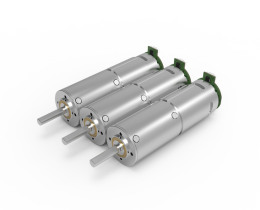


Looking for a suitable motor?


小编
Published2025-10-15
Understanding Why Your Servo Motor Isn’t Working Properly: A Gentle Approach to Troubleshooting
Servo motors are integral components in robotics, manufacturing automation, radio-controlled models, and countless other technologies. Their promise of precise control and reliable performance hinges on proper functioning. However, like all complex machinery, servo motors can sometimes act up—stuttering, refusing to move, or producing inconsistent results.

If your servo motor isn’t working properly, it can be frustrating and perplexing, especially if you rely on it for a delicate task or a crucial operation. But before jumping to conclusions or replacing hardware, it helps to understand what might be going wrong. Often, the root causes are straightforward and fixable with some careful investigation.
Common symptoms of a malfunctioning servo motor include:
The motor jittering or twitching without completing the intended movement No response at all when commands are issued Unexpected or inconsistent movement, such as overshooting or lagging Unusual noises, like grinding or whining Overheating during operation
Recognizing these signs is the first step toward diagnosing the problem.
Potential causes of servo motor issues While each scenario is unique, several common culprits tend to appear time and time again:
1. Power Supply Problems A stable and adequate power source is vital. Servo motors require consistent voltage and current; any fluctuation can cause erratic behavior. If your power supply is underpowered, overloaded, or unstable, the servo may not get enough energy to operate properly. Check your power connections, ensure your power supply meets the necessary specifications, and look for any loose or corroded connections.
2. Signal or Control Issues The control signals—often PWM (Pulse Width Modulation)—are how the servo receives commands. If these signals are noisy, weak, or inconsistent, the servo will struggle to respond accurately. Problems can stem from faulty control boards, interference from other electronic devices, or damaged wiring.
3. Mechanical Obstructions or Bindings Sometimes, the servo's internal or external mechanisms are obstructed or jammed. Debris, misaligned gears, or bent components can cause unusual resistance, making it seem like the motor isn’t working properly.
4. Wear and Tear Servo motors are subject to stress and prolonged use. Over time, brushes may wear down (in brushed motors), brushes and bearings may need lubrication, or the motor’s internal components might degrade. If your servo has been in use for years, it might be time for maintenance or replacement.
5. Incorrect Calibration or Settings Servo controllers often have adjustable parameters: endpoints, speed, acceleration, and more. If these are misconfigured, the servo may not perform as expected. Sometimes restoring default settings or recalibrating can resolve the issue.
6. Faulty Components or Damaged Hardware Occasionally, a servo motor fails due to internal component damage—burnt-out coils, damaged PCB, or failing driver circuits. Visual inspection can sometimes reveal burnt or damaged parts, but in many cases, testing or professional diagnosis is necessary.
Step-by-step Troubleshooting Approach
When your servo motor acts up, it's helpful to approach the problem systematically. Here’s a gentle guide:
Step 1: Verify the Power Source Ensure your power supply matches the servo’s voltage and current requirements. Use a multimeter to test voltage and check for fluctuations during operation.
Step 2: Inspect Wiring and Connections Look for loose wires, frayed cables, or corrosion. Confirm connections are secure and properly insulated. Remove and reconnect the wires to be sure.
Step 3: Test Control Signals Use an oscilloscope or a servo tester to verify the integrity of the control signals. Eliminating signal noise helps determine if the issue is external or internal.
Step 4: Isolate the Mechanical Assembly Disconnect the servo from its external load or mechanism. Manually rotate the servo horn to see if it moves freely. If not, mechanical obstruction might be the cause.
Step 5: Use a Different Power and Signal Source By substituting with a known good power source or signal generator, you can pinpoint whether the problem lies in your control system or the servo itself.
Step 6: Observe Operational Behavior and Record Details Note down any unusual behaviors—timing, noise, temperature, response delay. This data can guide further analysis or professional aid.
When to Seek Professional Help If none of these steps resolve the issue, or if you suspect internal hardware failure, consulting an electronics technician or reaching out to the servo manufacturer may be the next move. Sometimes, repairing internal components or replacing the motor is the most practical solution.
Leveraging innovations in modular drive technology, Kpower integrates high-performance motors, precision reducers, and multi-protocol control systems to provide efficient and customized smart drive system solutions.
Update:2025-10-15
Contact Kpower's product specialist to recommend suitable motor or gearbox for your product.