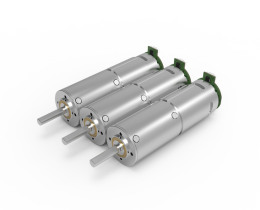


Looking for a suitable motor?

小编
Published2025-10-15
Unlocking the Secrets of Servo Motor Wires: A Comprehensive Guide (Part 1)
Servo motors are marvels of modern engineering, powering everything from robotic arms to remote-controlled cars. Their precise control and remarkable power make them indispensable in various industries. But beneath their impressive performance lies a fundamental component often overlooked—the wires that connect and transmit signals to these motors.
.webp)
Understanding the details of servo motor wires isn’t just about ensuring your device works; it’s about optimizing performance, maintaining safety, and prolonging longevity. This guide aims to peel back the curtain on these often-underestimated cables, giving you insight into their types, functions, and best practices.
The Basic Structure of a Servo Motor Wire
At its core, a typical servo motor wire setup involves multiple conductors bundled together, encased in insulation. These wires form the crucial link between the servo and the control system, relaying power and signals. Most servo wires consist of:
Power wire (V+): Carries the positive voltage, usually 4.8V–6V for standard servos. Ground wire (GND): Completes the electrical circuit. Signal wire: Transmits the control signals, often PWM (Pulse Width Modulation), that dictate the servo’s position or speed.
Some advanced servo systems can incorporate additional wires for feedback, telemetry, or sensors, which add layers of complexity to the wiring configuration.
Popular Types of Servo Wires
JST Connectors and Cables: These are among the most common in hobbyist and industrial applications. JST connectors provide a reliable and compact interface, often used with 3-wire servo cables. They usually feature color coding—red for V+, black or brown for GND, and white, yellow, or orange for signal.
Dupont Wires: Flexible and easy to use, Dupont connectors are popular in prototyping and DIY projects. They are female-to-female or male-to-male jumper wires that can connect directly to servo pins or breadboards.
Standard Servo Cables (Pig-Tails): Pre-made servo cables often come with a 3-pin or 4-pin connector, depending on system requirements. They are designed for quick plug-and-play installation, with durable insulation to resist wear and tear.
Custom Cables and Wires: In specialized industrial or robotics applications, engineers often custom-make servo wires, selecting wire gauges and connectors based on current demands and environmental conditions.
Wire Gauge and Its Significance
Choosing the right wire gauge is vital for safety and performance. The gauge (thickness) of the wire determines how much current it can safely carry without overheating. Generally, servo wires use:
22–24 AWG: Suitable for most hobbyist servo applications. 20–22 AWG: Preferred in high-current situations, such as large robotics or industrial servo systems.
Thicker wires (lower AWG numbers) have less resistance, providing more efficient power delivery and reducing voltage drops, which can affect servo performance.
Voltage and Current Ratings
Understanding the voltage and current ratings of your wires ensures safe operation. Typical servo motors operate at around 4.8V to 6V, with varying current draws depending on load. Most servo wires are rated for at least 2A, comfortably covering standard servo needs.
For high-torque or high-speed servos, confirm the wire insulation and gauge support higher currents, typically up to 5A or more, through specialized cables.
Proper Insulation and Material Composition
Servo wires are typically made from copper conductors with PVC or silicone insulation. Silicone insulation is more flexible and heat-resistant, suitable for applications involving tight bends or high temperatures. PVC insulation, on the other hand, is more rigid but more economical, suitable for straightforward wiring setups.
Some high-end servo cables use Teflon insulation, offering excellent thermal stability and durability.
Connectors and Pin Standards
The standard 3-pin connector for servos adheres to a specific pinout:
Pin 1: Signal (usually yellow or white) Pin 2: Power (red) Pin 3: Ground (black or brown)
However, configurations can vary, especially in customized or industrial setups. Ensuring consistency and proper polarity during installation prevents damage and ensures consistent operation.
Shielded vs. Unshielded Wires
Shielding is typically not required for hobbyist servo applications. But in environments with high electromagnetic interference (EMI), shielded wires can prevent signal degradation. These cables usually feature braiding or foil shields grounded at one end, preserving signal integrity.
Summary of Key Considerations in Servo Wire Selection
Application environment: Indoor, outdoor, high-temperature, or EMI-prone contexts. Current demands: Larger servos require thicker, high-current rated cables. Flexibility needs: Move-intensive applications benefit from silicone-insulated or flexible cables. Connector compatibility: Match the cable connectors with your control boards or extension cables.
Leveraging innovations in modular drive technology, Kpower integrates high-performance motors, precision reducers, and multi-protocol control systems to provide efficient and customized smart drive system solutions.
Update:2025-10-15
Contact Kpower's product specialist to recommend suitable motor or gearbox for your product.