

Looking for a suitable motor?

小编
Published2025-10-15
Unveiling the Heart of Automation: The Internal Image of a Servo Motor
Imagine gazing into the microscopic universe of a servo motor—an essential element powering countless modern innovations. From robotic arms to remote-controlled vehicles, servo motors have become the silent heroes translating tiny electrical commands into precise mechanical movements. But what secrets lie within their compact shells? How do these devices achieve such remarkable accuracy and responsiveness?
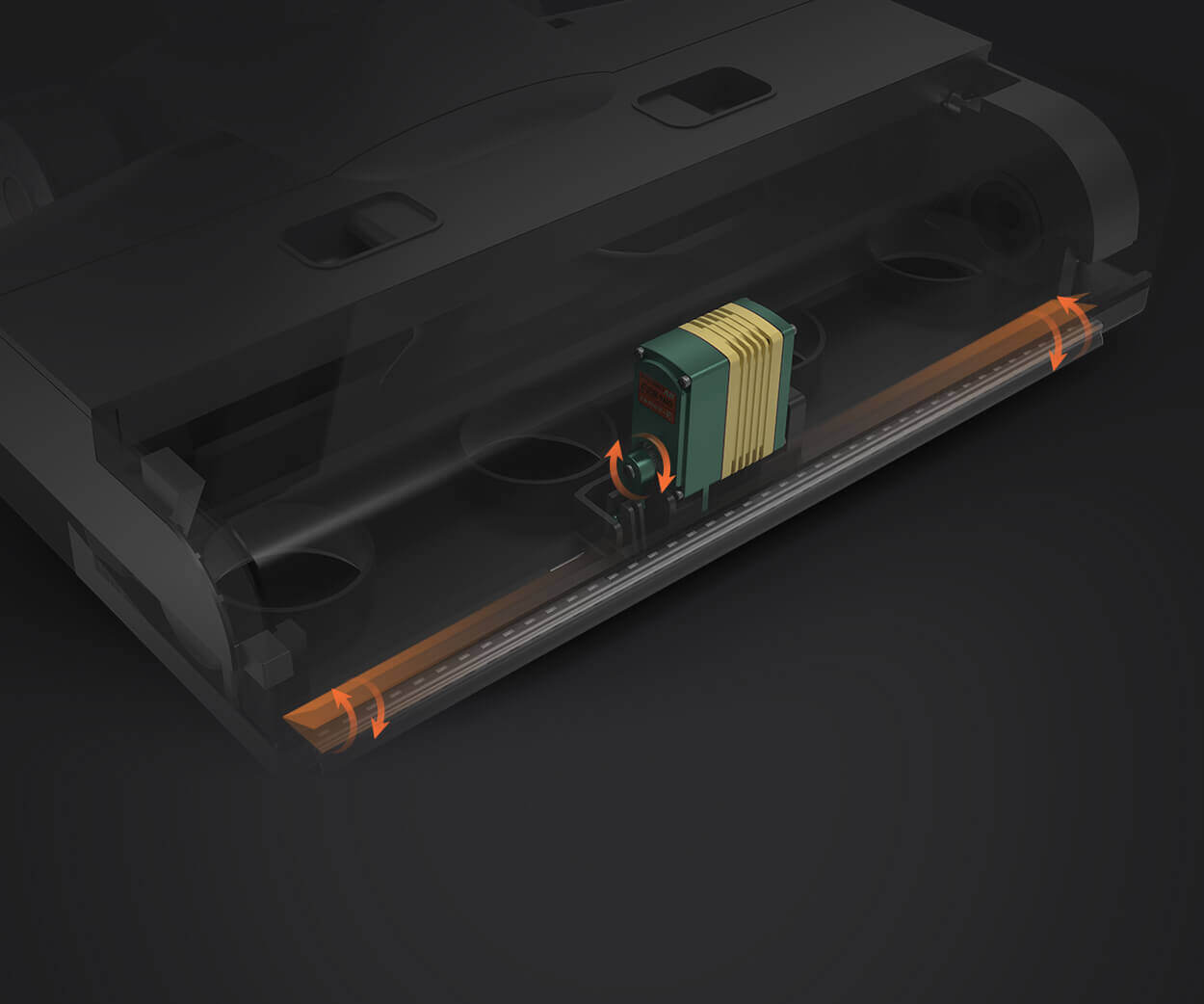
Take a moment to visualize the typical structure of a servo motor. At first glance, it may look like a standard electric motor, but beneath the surface lies a carefully orchestrated symphony of components. To truly appreciate its capabilities, understanding its internal image reveals the fascinating harmony of magnetic, mechanical, and electronic elements working in tandem.
The Basics: Stator and Rotor
At the core of a servo motor are its two main components: the stator and the rotor. The stator, usually comprising multiple coils or windings, forms the stationary part of the motor. When electrical current flows through these coils, it generates a magnetic field that interacts with the rotor. Typically made from laminated steel sheets to minimize eddy currents, the stator encases the motor's internal environment, often protected by a robust housing.
The rotor—the rotating part—is connected to the mechanical load and is designed with precision. In many servo motors, especially brushless variants, the rotor contains permanent magnets. This arrangement allows for a smoother, more efficient operation, with less wear and tear over time.
Magnetic Fields and Commutation
The magic begins when electric signals energize the stator coils. These magnetic fields cause the rotor to align and rotate, creating the motion needed for precise control. The internal image of a servo motor often highlights the complex winding patterns within the stator, responsible for generating the specific magnetic fields necessary for nuanced movements.
In brushless servo motors, electronic commutation—controlled by the motor's driver circuitry—replaces mechanical brushes, leading to higher reliability and efficiency. The internal hardware contains power transistors and sensors that constantly monitor motor position, adjusting currents to maintain accurate angular positioning.
Position Sensing: Encoders and Feedback Systems
A critical element within a servo motor's internal architecture is its position sensor—most commonly an encoder. Think of the encoder as the motor's internal eyes, constantly providing real-time feedback on the rotor’s position. This feedback loop is what makes servo motors capable of superb accuracy.
Encoders often look like tiny discs with intricate patterns of lines or magnets, read by photodiodes or Hall-effect sensors inside the motor. As the rotor spins, these sensors measure the exact angle, allowing the control system to determine how far and in which direction the shaft has moved. The internal image of a servo motor showcases these embedded sensors, nestled closely with the rotor assembly for minimal lag.
Gear Train and Mechanical Linkages
Sometimes, to amplify the motor's torque or refine positional accuracy, internal gear assemblies are integrated within the servo motor housing. These gear trains reduce or multiply rotational speed, translating the motor's movement into the desired output. They are usually composed of small, precisely machined gear wheels that mesh with high accuracy.
A well-designed gear train ensures minimal backlash—the slight play between gear teeth—that could otherwise compromise precision. Inside the internal image, these gears appear as tiny, interlocking mechanisms that subtly alter the raw rotation of the motor into finely controlled movement.
The Power Supply and Electronics Board
Inside a servo motor, there's also a compact but vital electronics board—a miniature control computer that interprets signals from the external controller and manages the power delivered to the motor. It’s often embedded directly into the motor housing for efficiency and compactness.
This electronic brain constantly processes feedback from the encoder, compares it to the target position, and adjusts current to the coils dynamically. These adjustments happen in fractions of a millisecond, resulting in almost instantaneous reactions and smooth, precise movements. The internal image reveals this small yet powerful control unit, densely packed with integrated circuits, capacitors, and connectors.
Given the intricacies and the continuous operation within a mechanical system, servo motors are designed for durability. The internal image also hints at sealing mechanisms—rubber gaskets and protective covers—that prevent dust, dirt, and moisture from infiltrating the delicate components.
Additionally, some servo motors incorporate cooling pathways or heat sinks to dissipate generated heat. This internal architecture ensures consistent performance, especially under demanding operational conditions.
Stay tuned for part 2, where we'll deeper explore the integration of these components, the importance of internal design choices, and how understanding this internal image helps in optimizing servo motor applications for varied industries.
Kpower has delivered professional drive system solutions to over 500 enterprise clients globally with products covering various fields such as Smart Home Systems, Automatic Electronics, Robotics, Precision Agriculture, Drones, and Industrial Automation.
Update:2025-10-15
Contact Kpower's product specialist to recommend suitable motor or gearbox for your product.