

Looking for a suitable motor?

小编
Published2025-10-15
The Powertrain Dilemma: Geared Hub vs. Brushless Motor
In the rapidly evolving world of electric mobility, choosing the right motor isn’t just a technical decision – it’s a lifestyle choice that can change how you experience your daily commute, your weekend adventures, or even your professional rides. Among the wide array of electric propulsion options, two stand out as the most prominent: geared hub motors and brushless motors. They both serve as the heart of many e-bikes, electric scooters, and small electric vehicles, but their underlying mechanics, performance characteristics, and maintenance needs differ significantly.
To truly appreciate the differences, it’s essential to understand what each motor type is and how it works.
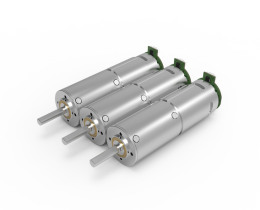
Geared Hub Motors: These are hub motors integrated into the wheel hub with a set of gears that optimize torque. They typically use a planetary gear system—a tiny gearbox inside the hub that amplifies torque at the expense of top speed. This setup allows for smaller, lighter motors that pack a punch in terms of acceleration and hill-climbing ability, making them ideal for city riding and steep inclines.
Brushless Motors: Also known as brushless DC (BLDC) motors, these are not confined to the wheel hub itself but are usually mounted elsewhere in the vehicle. They operate using electronic commutation and do not have brushes that wear out like brushed motors did. Brushless motors tend to be more efficient, more durable, and capable of higher speeds and smoother operation. They are often used in mid-drive setups or in applications demanding precise control and high performance.
Design and Mechanics: A Closer Look
The core difference is in how the motor transfers power and generates motion.
Geared Hub Motors rely on an internal gear system to reduce the motor's high rotational speed to a manageable wheel speed while increasing torque. This gear arrangement is compact, making it easy to integrate into existing wheel designs. The design simplifies installation but introduces an extra moving part—gears—that can wear over time.
Brushless Motors, on the other hand, generate motion through electromagnetic interactions in a stator and rotor setup. Because they lack gears, they’re generally more efficient in converting electrical energy to motion. They can be configured as mid-drive units, connected directly to the crankset, or as hub motors without gears. When positioned in the wheel hub without gears, they are often called "direct drive" brushless motors.
Performance and Efficiency: A Duel of Capabilities
The way each motor handles power directly impacts rider experience.
Geared Hub Motors excel in torque-rich environments. They quickly provide strong acceleration and excel at climbing hills, making them popular in urban and mountain biking contexts. However, they tend to have higher internal resistance, which can lead to slightly reduced efficiency and shorter range, especially on flat terrain.
Brushless Motors generally offer higher efficiency, especially at higher speeds. Their design minimizes internal resistance, enabling longer rides on a single charge. They also provide smoother acceleration and deceleration, with a more natural riding feel—ideal for longer distance commuting or performance-focused applications.
Maintenance and Durability
One area where these two motor types sharply diverge is in maintenance and durability.
Geared Hub Motors feature intricate gear networks that require regular inspection. Over time, gears can wear out or become contaminated with dirt and debris, which may lead to noise, reduced performance, or failure. While they are generally robust, their moving parts mean more frequent grease changes or gear replacements are needed for optimal operation.
Brushless Motors are celebrated for their low maintenance. Since they have no brushes to wear out and fewer moving parts, they typically operate for thousands of hours with minimal servicing. The primary wear component in many BLDC motors is the bearings, which can be replaced if necessary. Overall, brushless motors tend to have longer lifespans and less downtime.
Pricing is often a decisive factor in choosing a powertrain.
Geared Hub Motors are usually more affordable upfront. Their simpler design and mass manufacturing make them attractive for budget-conscious consumers. However, the potential for maintenance or gear replacement over time might add to ownership costs.
Brushless Motors, particularly high-performance direct-drive variants, can be more expensive initially. The advanced electronics, cooling systems, and precision manufacturing contribute to the cost. Yet, their longevity and performance often justify the higher investment, especially for enthusiasts or commercial operators seeking durability.
Different riding scenarios influence which motor type is better suited.
Urban Commuters and Steep Terrain Climbers will benefit from geared hub motors’ torque advantages in city landscapes riddled with hills and stop-and-go traffic.
Long-distance riders and performance enthusiasts seeking efficiency, speed, and durability often prefer brushless motors, especially in mid-drive configurations or high-end electric bikes.
Customization and Upgradability also matter: brushless systems are more modular and adaptable, making them versatile for upgrades or specialized builds. Geared hubs, on the other hand, are more plug-and-play, which is ideal for straightforward setups.
Picking between a geared hub and a brushless motor hinges on understanding your specific needs. If you value affordability, torque, and ease of installation, geared hub motors present an attractive solution. Conversely, if efficiency, longevity, and high-speed performance are your priorities, then brushless configurations are likely the way to go.
As electric mobility continues to evolve, manufacturers are introducing hybrid approaches and innovative design improvements. Your choice now may also depend on future upgrade plans and how you envision your riding experience—whether it's conquering steep city hills, embarking on long-distance adventures, or enjoying a smooth, maintenance-light ride.
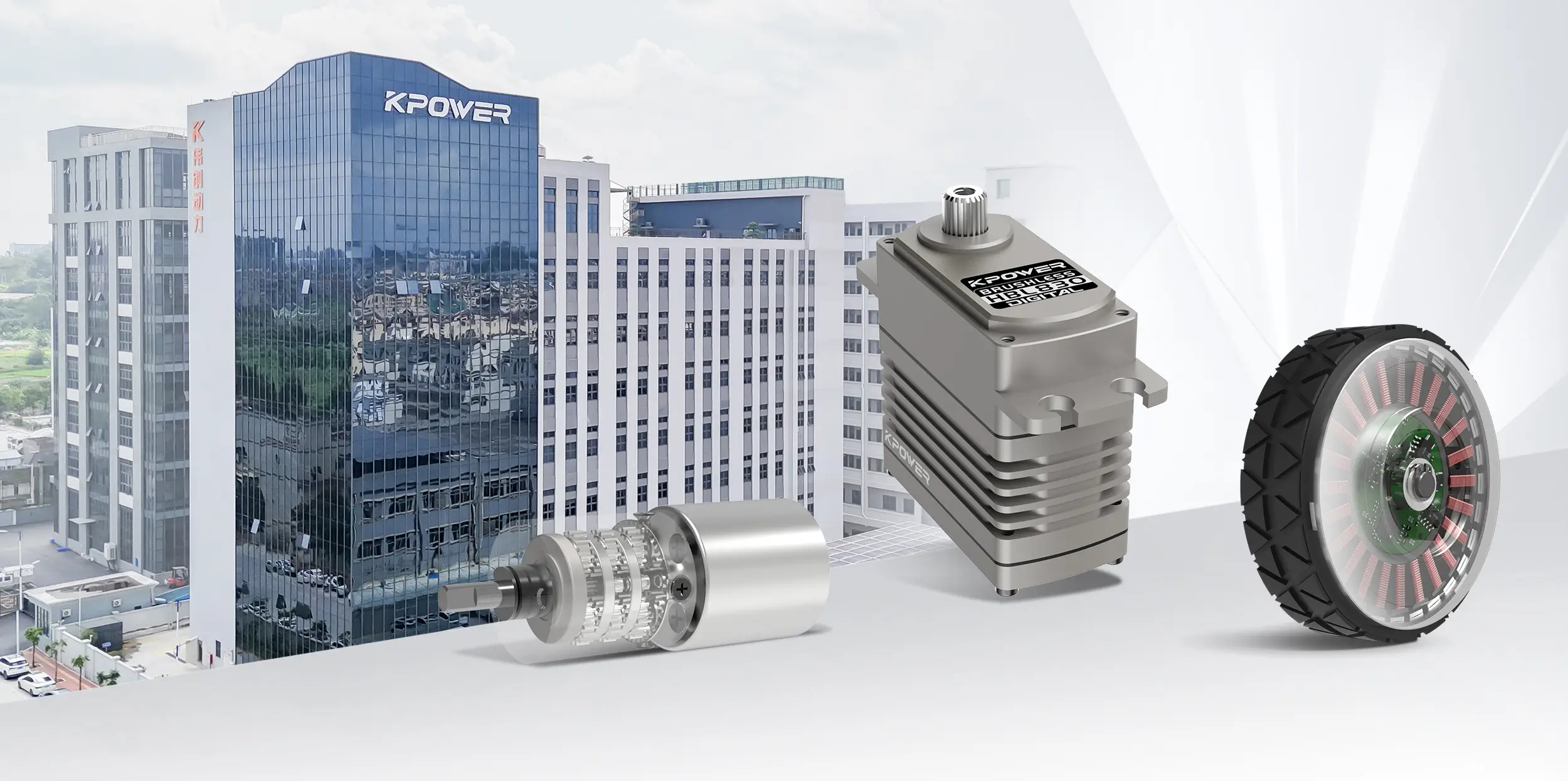
Kpower has delivered professional drive system solutions to over 500 enterprise clients globally with products covering various fields such as Smart Home Systems, Automatic Electronics, Robotics, Precision Agriculture, Drones, and Industrial Automation.
Update:2025-10-15
Contact Kpower's product specialist to recommend suitable motor or gearbox for your product.