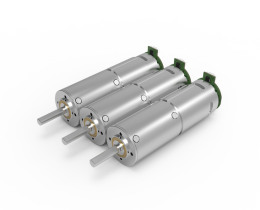


Looking for a suitable motor?

小编
Published2025-10-15
Certainly! Below is the first part of the soft article on "Linear Servo Motor Mitsubishi."
In the bustling landscape of modern manufacturing and industrial automation, the race toward higher efficiency, precision, and faster production cycles never seems to slow down. At the heart of this technological revolution lies a crucial component—linear servo motors. Among the trailblazers in this domain, Mitsubishi Electric has distinguished itself by delivering advanced, reliable, and high-performance linear servo motor solutions tailored to a broad spectrum of industrial needs.
The Rising Significance of Linear Servo Motors
Linear servo motors are revolutionizing how machines deliver motion and control. Unlike traditional rotary motors, linear servo motors provide direct linear motion without the need for mechanical conversions such as gears, belts, or screws. This direct drive approach significantly reduces backlash, wear and tear, and maintenance needs, offering a cleaner, more precise way to handle complex motion tasks.
Industries such as automotive manufacturing, semiconductor fabrication, packaging, material handling, and robotics are increasingly relying on linear servo motors to achieve finer control, higher speed capabilities, and simplified system architecture. Mitsubishi’s linear servo motors exemplify these qualities, giving engineers a cutting-edge tool to push the boundaries of what is possible.
Introducing Mitsubishi’s Linear Servo Motor Technology
Mitsubishi Electric’s linear servo motor portfolio embodies decades of research and innovation, combining robust design, advanced control algorithms, and seamless integration. These motors are engineered for high precision and rapid response, underpinning applications where millimeter or even micrometer accuracy is critical.
One of the standout features of Mitsubishi’s linear servo motors is their modular structure, enabling customization based on application-specific requirements. They come in various sizes and force capacities, accommodating everything from micro-positioning in electronic assembly to heavy-duty movements in large industrial setups.
Core Features and Innovations
High Precision and Resolution: Mitsubishi’s linear servo motors boast excellent positioning accuracy, often reaching sub-micron resolutions. This level of control facilitates applications like semiconductor wafer handling or precision machining, where precision directly correlates to product quality and yield.
High-Speed Capabilities: These motors are designed for rapid acceleration and deceleration, enabling high throughput in manufacturing lines. Their smooth, consistent motion reduces cycle times dramatically, boosting overall productivity.
Compact and Lightweight Design: The design philosophy behind Mitsubishi’s linear servo motors emphasizes space efficiency. Compact form factors help in reducing the footprint of machines, allowing for denser packing of equipment in tight manufacturing environments.
Integrated Feedback and Control: To ensure optimal performance, Mitsubishi incorporates advanced feedback systems like high-resolution encoders and linear position sensors directly into their servo motors. Coupled with Mitsubishi’s sophisticated motion control units, the system achieves seamless synchronization, minimal overshoot, and quick response times.
Durability and Reliability: Operating in intensive industrial environments demands durability. Mitsubishi linear servo motors are built with high-quality materials and protective features to withstand dust, vibrations, and sometimes even harsh temperatures.
The Role of Advanced Drive Technologies
Mitsubishi’s servo drives and motion controllers are engineered to maximize the potential of their linear motors. These drives provide the necessary power, control, and feedback loops — transforming raw motor energy into finely tuned linear movement. Their compatibility with Mitsubishi’s broader automation ecosystems allows for straightforward integration into complex manufacturing systems, streamlining setup and operation.
Furthermore, the use of optimized control algorithms such as PID, adaptive control, or model-predictive control allows Mitsubishi’s servo systems to adapt dynamically to varying load conditions and environmental factors. This results in stable, accurate motion under different operational scenarios.
Versatile Applications of Mitsubishi’s Linear Servo Motors
The applications are as diverse as they are demanding. In the electronics industry, Mitsubishi’s linear motors enable ultra-fine positioning of microscopes, wafer handlers, and LED assembly equipment. Automotive production lines depend on their reliability for high-speed transfer and assembly operations. In packaging, these motors coordinate complex pick-and-place tasks with microsecond precision.
Robotics, especially collaborative robots (cobots), benefit immensely from linear servo motors’ smooth and precise movements, fostering safer and more productive interactions. Material handling systems employ these motors for high-speed pallet stacking, sorting, and conveyor operations, helping factories meet rising throughput expectations.
The Competitive Edge: Why Choose Mitsubishi?
In a global market flooded with linear motor options, Mitsubishi distinguishes itself through its blend of technological prowess, comprehensive support, and proven industrial track record. Their linear servo motors are backed by extensive R&D, ensuring that they anticipate industry needs and set standards in motion control.
Partnering with Mitsubishi also means leveraging an ecosystem of compatible components—from multi-axis controllers to networked sensors—that ensure seamless system integration and future scalability. These motors are engineered not only for current demands but also for future innovations as factories evolve toward smarter, more connected manufacturing paradigms.
Looking Ahead: Future Trends in Linear Servo Motor Technology
As Industry 4.0 continues to reshape manufacturing, the role of linear servo motors is set to expand even further. Expect to see increased adoption of intelligent, sensor-integrated magnetic motors capable of self-diagnosis and adaptive control. Wireless communication standards will enhance integration, allowing real-time diagnostics and remote management.
Mitsubishi's ongoing innovation efforts are likely to focus on enhancing the energy efficiency of their motors, reducing operational costs, and developing even more compact models for miniaturized devices. The integration of AI-driven control algorithms promises to push precision and speed into new realms.
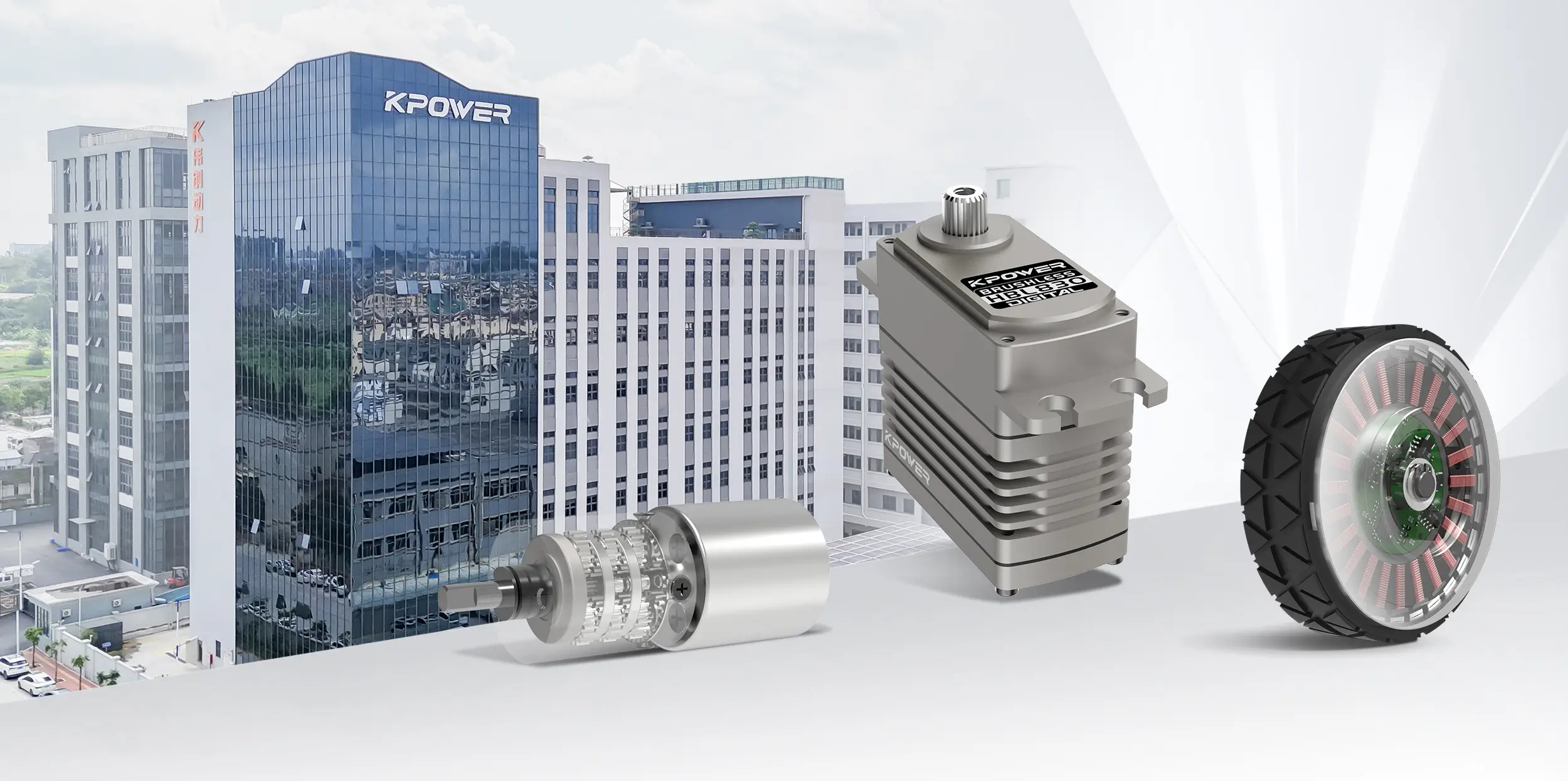
Established in 2005, Kpower has been dedicated to a professional compact motion unit manufacturer, headquartered in Dongguan, Guangdong Province, China.
Update:2025-10-15
Contact Kpower's product specialist to recommend suitable motor or gearbox for your product.